

Chaque année, la SCP organise un congrès annuel qui réunit plus de 1 200 membres de partout au Canada afin d’échanger et de faire émerger de nouvelles idées, de nouer des contacts et de faire avancer la science, la pratique et l’enseignement de la psychologie. Le partage des connaissances et la collaboration sont essentiels à l’évolution de la psychologie au Canada. En multipliant les occasions de discussion et d’échange, nous pouvons continuer à faire progresser cette discipline de manière importante.
En tant que chefs de file de la psychologie au pays, nous reconnaissons l’importance d’approfondir un sujet unique et d’actualité. Ce format favorise une participation plus enrichissante, des échanges plus profonds et des liens professionnels plus solides. C’est pourquoi nous sommes ravis d’organiser une fois de plus notre conférence satellite annuelle de la SCP, un événement consacré à une question cruciale pour nos membres. Chaque année, nous choisissons le thème en fonction de ce que nous, ainsi que nos membres, jugeons primordial pour la psychologie et qui mérite une discussion approfondie et ciblée. Ces événements de deux jours attirent des psychologues et des étudiantes et étudiants de tout le Canada afin d’échanger des idées et des points de vue et d’apprendre auprès des spécialistes de premier plan en psychologie au pays.
Cette année, notre conférence satellite portera sur la santé mentale des femmes. La psychologie touche à tant d’aspects de la vie des femmes : la ménopause et le travail, la violence fondée sur le genre, la fonction sexuelle et la sexualité, la santé mentale sur l’ensemble du spectre du genre/sexe, la santé mentale intersectionnelle, la maternité, et bien d’autres encore. Que peut nous apporter la psychologie sur ces questions importantes? Quels défis reste-t-il à relever?
Ne ratez pas cette occasion de participer à des discussions essentielles sur la santé mentale des femmes. Joignez-vous à nous à Ottawa pour deux journées de réflexion, d’apprentissage et de rencontres.
*Remarque : les propositions ne seront acceptées que sur invitation.
Les séances plénières sont disponibles uniquement en anglais
Intervenantes
Anne Bowker, Ph. D. – Université Carleton
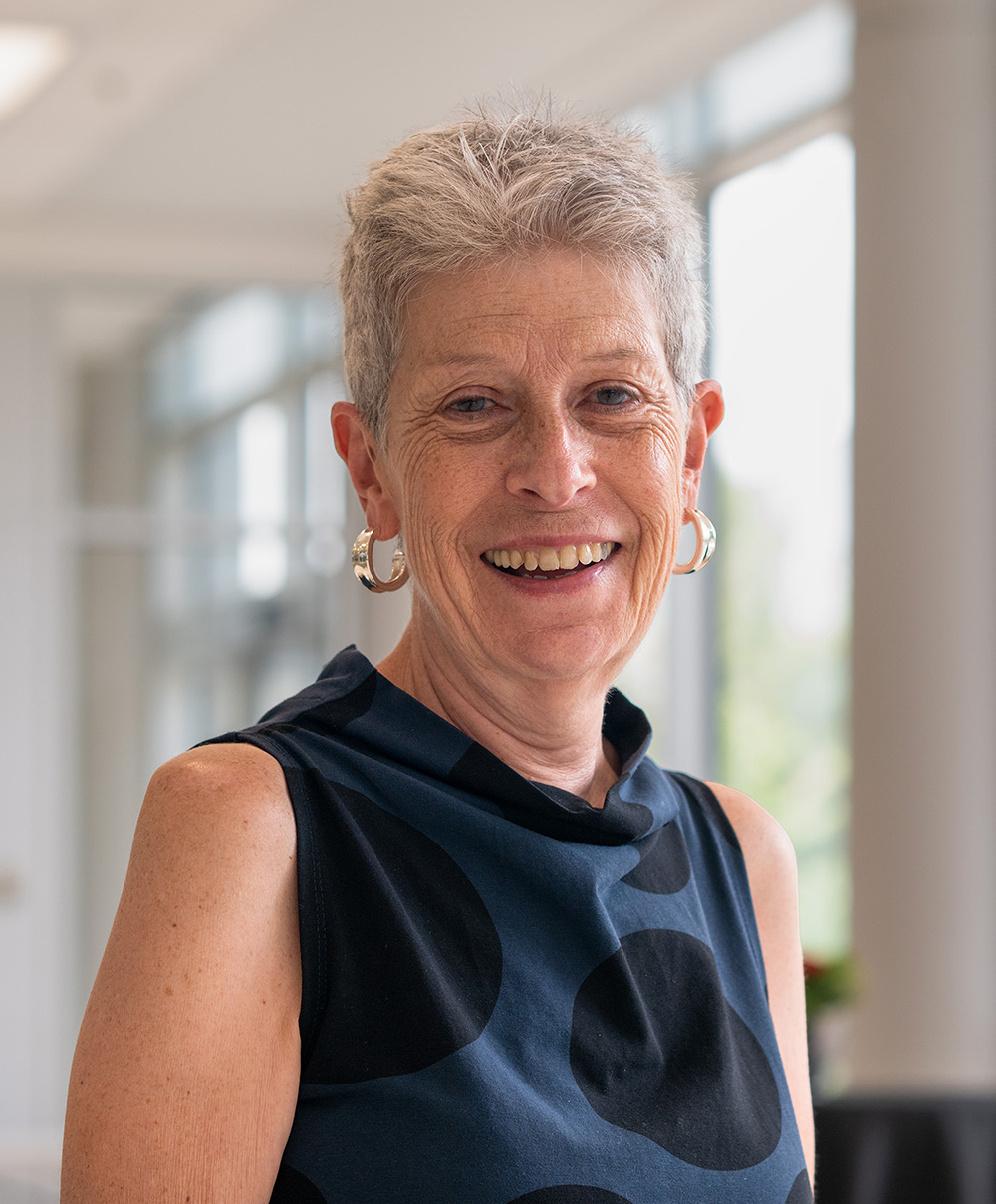
Janet Mantler, Ph. D. – Université Carleton
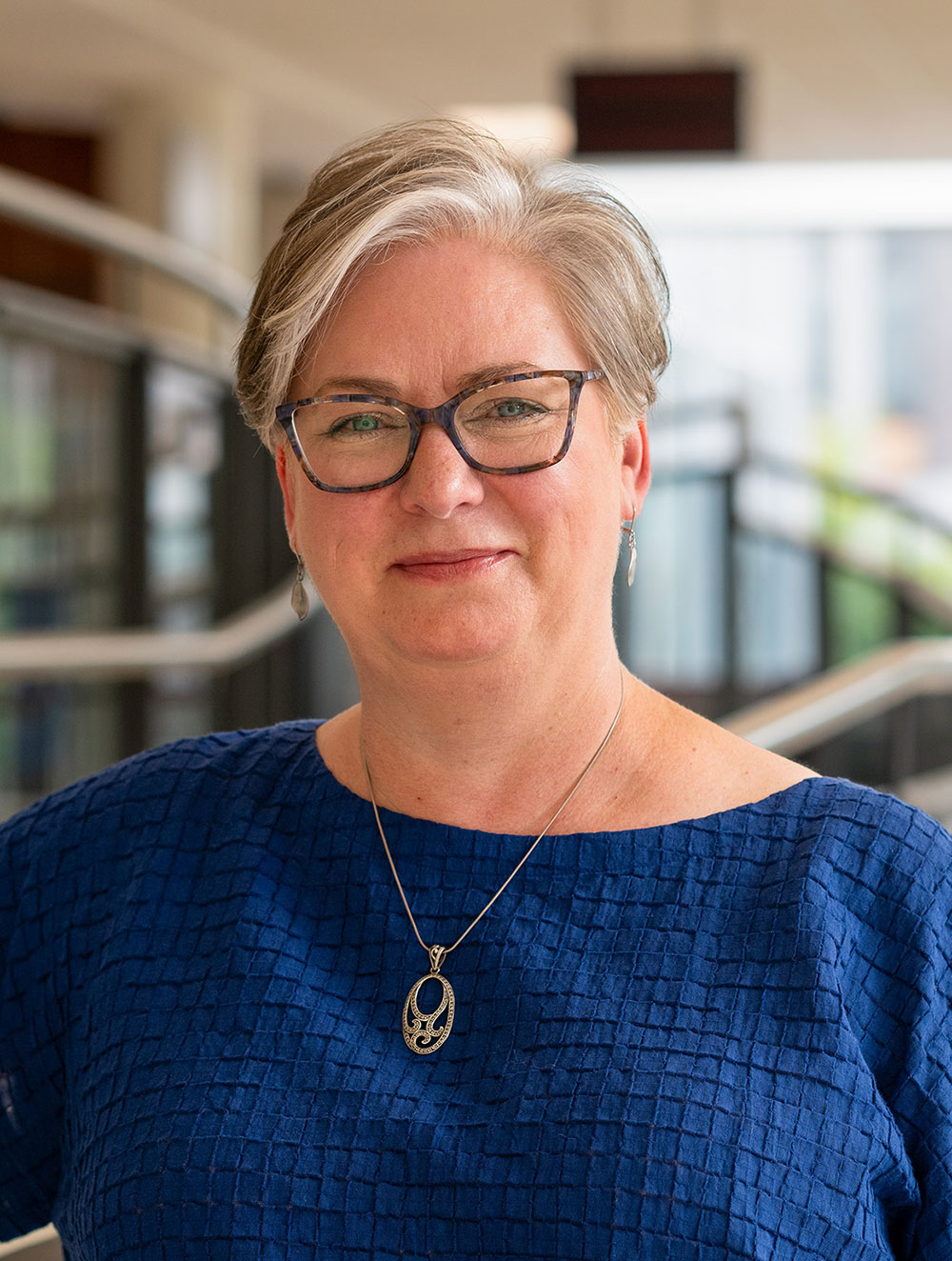
Titre de la séance plénière : We need to talk about menopause: The menopausal transition and women’s mental health
Présenté le : Vendredi 23 octobre de 9 h 45 à 11 h à l’Université Carleton
Description du séance plénière :Despite menopause being a universal experience for women, it remains surprisingly difficult to talk about. Too often, it is framed as a period of deficiency, decline, or loss rather than as a significant life transition with psychological, social, and occupational dimensions. We draw on interviews with 60 women to explore their lived experience of the menopausal transition and consider their experiences in the context of women’s mental health. Our participants described a wide range of experiences that affected their sleep, mood, confidence, relationships, body image, and sense of aging. For some, changes in weight and appearance intensified longstanding body image concerns; for others the menopausal transition offered an opportunity to develop a more accepting relationship with their bodies. Women also discussed menopause as a workplace mental health issue. Many described brain fog, disrupted sleep, anxiety, and loss of confidence that affected their ability to work. Concerns about stigma and career consequences made conversations with colleagues and supervisors difficult. Finally, we consider the relationships and conversations that women have with their health care providers. Some women found these conversations supportive and validating, whereas others encountered dismissal, inadequate information, or no conversation at all. We argue that talking openly about menopause is not simply normalizing a biological transition, it is an important step in improving women’s mental health by improving their relationships with themselves, family members, colleagues, supervisors, and health care practitioners.
Suzanne (Ethsi) L. Stewart, Ph. D., C.Psych – Université de Toronto
Titre de la séance plénière : Indigenous mental health and healing: Ending homelessness and violence against Indigenous women and 2-Spirited Peoples
Présenté le : Vendredi 23 octobre de 11 h 15 à 12 h 30 à l’Université Carleton
Description du séance plénière : Indigenous women and 2-Spirited Peoples (inclusive of 2-Spirited femmes, Indigequeer, gender diverse, and LGBTQ2S+ Peoples) are at highest risks of violence, extortion, survival sex, and homelessness in urban centres across Canada. Indigenous homelessness has been recognized as a persistent national and international crisis across all urban centres and reserve communities in Canada, with Indigenous women and 2-Spirited Peoples at most unique risk due to a lack of culturally informed care and service provision for Indigenous histories, needs, realities, and experiences. These experiences include anti-Indigenous racism, misogyny, homophobia, and transphobia and create deficits to appropriate primary health, mental health, and service care, and in accessing shelter, housing, and support services impacting safe transitions to secure housing. This presentation is about sharing culturally based and safe data regarding the experiences and solutions of homelessness and violence against women and 2-Sprirted Peoples from Ontario research projects from 2016 to currently. The purpose of this body of research is to end violence and save lives. Results include identify existing barriers to safe housing transitions and appropriate health and service care; exploring factors and dimensions of violence experienced by women and 2-Spirited Peoples; and identification of solutions for healing programs, interventions, trainings, and policy mobilization. Conclusions are based in celebrations strengths and healing.
Jennifer Dimoff, Ph. D. – Université d’Ottawa

Titre de la séance plénière : Bringing the Body to Work: Pregnancy Loss and Postpartum Mental Health in the Workplace
Présenté le : Vendredi 23 octobre de 13 h 30 à 14 h 45 à l’Université Carleton
Description du séance plénière :Work is an inherently embodied experience, yet women’s reproductive and perinatal health remain markedly underexamined in occupational health research, despite important implications for employee well-being and work outcomes. This presentation examines women’s health at work through the lens of embodiment, drawing on a program of research focused on pregnancy loss and postpartum mental health. A phenomenological study (N = 29) illustrates how experiences of pregnancy loss permeate work and nonwork boundaries and are embedded within interconnected organizational, healthcare, family, and sociocultural systems. Building on this work, ongoing longitudinal research (N = 420) examines the intersection of postpartum mental health and work, with particular attention to supervisor support and turnover. Together, these studies position reproductive and perinatal health as consequential workplace phenomena and highlight the value of integrating embodiment into psychological research on the intersection between work, health, identity, and employee well-being.
Myrna Lashley, Ph. D. – Université McGill
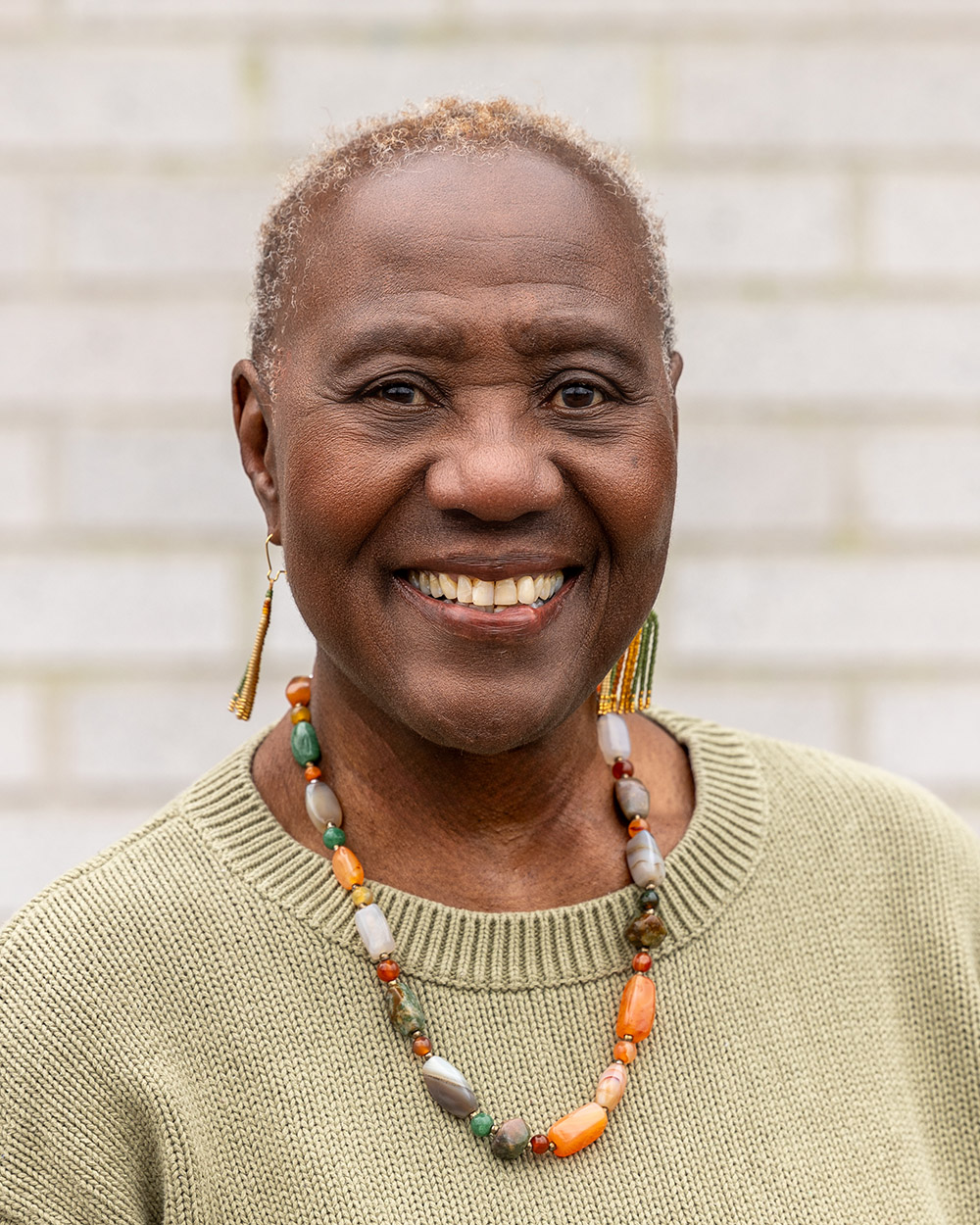
Titre de la séance plénière : Black women and intergenerational trauma
Présenté le : Vendredi 23 octobre de 15 h à 16 h 15 à l’Université Carleton
Description du séance plénière :The African Canadian Legal Clinic states that “Racialized women in Canada consistently and disproportionately experience poverty, homelessness, sexual assault, incarceration, and discrimination…(Furthermore) Canadian women of African descent are particularly vulnerable to such marginalization.” Although Black women are not a monolithic group, there are some things which affect them communally and which have the probability of creating and/or intensifying mental health difficulties. Many of these issues are imposed by social forces and conditions, the existence of which often force Black women to adapt to or adopt behaviours which they prefer to eschew. Unfortunately, such adaptations and adoption often exacerbate or trigger intergenerational trauma. It is important to recognize these social forces and work together to identify way to address them, Thus, working towards creating a better and healthier society for all.
This interactive presentation will provide an opportunity to consider some of those factors and discuss means in which to address them in culturally appropriate ways.
Ada Sinacore, Ph. D. – Université McGill

Titre de la séance plénière : Gender Based Violence: The Intergenerational Impact on Women, Trans-Women and Girls
Présenté le : Samedi le 24 octobre de 9 h 45 à 11 h à l’Université d’Ottawa
Description du séance plénière :The history of gender-based violence (GBV) towards women, trans women, and girls is well documented. Gender-based violence (GBV) is defined as any act that results in physical, sexual, emotional and/or psychological suffering based on a person’s gender. These acts can be cyber threats, coercion, economic abuses and/or deprivation of liberty (to name a few). The World Health Organization (WH0) has identified violence against women and girls as a global crisis with one in three women experiencing sexual violence and/or intimate partner violence at least once since they were 15 years of age. However, due to under reporting this estimate is quite low. The statistics in Canada are no different than those reported by the WHO. In fact, it is estimated that over 4.7 million women have been victims of sexual violence since the age of 15. As well, Indigenous women, lesbians, bisexuals, non-binary and trans women are at an increased risk for sexual violence compared to non-Indigenous women and heterosexual women. Moreover, individuals with disabilities and older populations are among some of the most vulnerable to gender-based abuse. According to the Canadian Psychological Association’s 2024 position statement the elimination of gender-based violence requires a multi-pronged approach which includes all levels of government, workplaces and educational institutions. However, currently women’s and tran’s rights are being whittled away in Canada and the United States as is exemplified by the overturning of Roe vs Wade by the US Supreme Course, the anti-gender movement and the growing ideology of the “manosphere”. GBV is endemic in Canadian Society and affects women, trans women and girls in profound ways. Given the pervasiveness of GBV as well as the longstanding and on-going calls to address this problem it is important to consider the intergenerational impact of living in a society where GBV has been and is so prevalent. Thus, in this presentation the speaker will provide an analysis of the past and current situation related to GBV in Canada as well as the on-going challenges and rising resistance to address the problem. Finally, the speaker will discuss the intergenerational trauma resulting from GBV and offer insights on how to offer trauma informed gender affirming care to women, trans-women, girls and their families.
Serena Corsini-Munt, Ph. D. – Université d’Ottawa

Titre de la séance plénière : How we can help with the mental health and relational impact of chronic pelvic pain
Présenté le : Samedi le 24 octobre de 11 h 15 à 12 h 30 à l’Université d’Ottawa
Description du séance plénière :Chronic pelvic pain disproportionately affects women and those assigned female at birth, with high correlations between chronic pelvic pain and depression and lifetime history of interpersonal trauma. Pain conditions affecting female reproductive health carry an impact beyond the pain and can have deleterious effects on mental health, sexual functioning, relationships, and their fertility. Women and individuals assigned female at birth experiencing chronic pelvic pain will be benefitted by clinicians who have an understanding of pain and how it is experienced, the mechanisms through which it has an impact on the person in pain, its consequences to mental health and relationships, and psychological treatment options. This presentation will review the psychological and relational impact of conditions contributing to chronic pelvic pain such as endometriosis, uterine fibroids, and provoked vestibulodynia, among others, identify relevant therapeutic targets, discuss the challenges and value in working with this clinical population and present empirically reviewed interventions relevant to clinical and health psychologists. Following this presentation, participants will be able to: 1) Identify and discuss the mental health impacts of female chronic pelvic pain; 2) Describe the types of mental health support identified as helpful for and by patients with chronic pelvic pain; and 3) Select interventions for their practice to support clients experiencing chronic pain with more confidence.
Jennifer Bossio, Ph. D. – Université Queen’s, Tri Health Clinic

Titre de la séance plénière : Let’s Talk About Sex. Clinically. Women’s Sexual Health in the Therapy Room
Présenté le : Samedi le 24 octobre de 13 h 30 à 14 h 45 à l’Université d’Ottawa
Description du séance plénière :Popular culture offers women remarkably limited sexual scripts: effortlessly insatiable, perpetually uninterested, or too exhausted to consider the question. Yet sexual health is associated with better physical, mental, and relational well-being, making it an important consideration in psychological care (Vasconcelos et al., 2024).
Population research indicates that 43% of women report sexual difficulties, although fewer experience associated distress (Laumann et al., 1999; Shifren et al., 2008). Feeling equipped to discuss sexual health is therefore relevant across psychological practice. These conversations can reveal concerns about pain, depression, anxiety, and relationships that warrant attention in assessment and care.
Drawing on research and clinical experience, Dr. Jenn Bossio, Clinical and Health Psychologist and founder and director of Tri Health Clinic, Ontario’s largest sex and couples therapy clinic, will explore the expectations women bring into therapy—and those clinicians may bring themselves.
The presentation will introduce Basson’s Sexual Response Cycle (Basson, 2000) as a practical framework for understanding women’s sexual health. It will examine how this model can guide assessment, case formulation, and intervention while making sexual experiences easier to discuss. Attention will also be given to how clinicians’ beliefs, assumptions, and discomfort influence what gets asked, recognized, and understood as a problem.
Evidence-based interventions, particularly third-wave psychotherapies such as mindfulness-based sex therapy (MBST; e.g., Brotto et al., 2021), will illustrate treatment approaches for common sexual concerns in women.
Designed for psychologists, psychological associates, and psychology trainees working with women across practice settings, this talk offers an accessible foundation for integrating sexual health into everyday clinical care. Participants will develop a clearer understanding of sexual response, ways to open the conversation, potential avenues for intervention, and when specialist referral is appropriate.
Sophie Lebel, Ph. D. – Université d’Ottawa

Titre de la séance plénière : Beyond the Fear of Recurrence: Psychological Interventions for Women Living After Cancer
Présenté le : Samedi le 24 octobre de 15 h à 16 h 15 à l’Université d’Ottawa
Description du séance plénière :Overall, 63% of Canadians diagnosed with cancer are expected to live 5 years or more. This means there is a growing number of women that are referred to as ‘survivors’; for example, 2% of all Canadian women are breast cancer survivors. While this is undeniably good news, cancer survivorship comes with physical, social, spiritual, emotional, and psychological sequalae. Foremost among these is the fear of cancer recurrence (FCR), defined as the ‘worry, fear, or concern relating to the possibility that cancer may come back or progress’, with 59% of cancer survivors reporting at least moderate amounts of this fear. Care partners also report FCR, sometimes even more so than the patients themselves. Identifying as a woman has been a robust predictor of FCR in both survivors and care partners. The last two decades have seen several evidence-based treatments being validated to help women manage their FCR. Among these if the Fear Of Recurrence Therapy (FORT) we developed, a six-week, cognitive-existential manualized group therapy. FORT was first pilot tested among women with breast and ovarian cancer, followed by two randomized controlled trials, and a pan-Canadian implementation study that demonstrated its effectiveness in clinical settings. We have pilot tested FORT adaptations for women care partners of adult cancer survivors and for parents of survivors of childhood cancer and have contributed to cultural adaptions of FORT internationally. The learning objectives of this talk are to:
- Familiarize the audience with cancer survivorship and its impact on mental health, focusing on fear of cancer recurrence;
- Give an overview of evidence-based psychological treatments for FCR, including an introduction to the six sessions of FORT and some practical tools and resources;
- Discuss challenges regarding implementation of evidence-based innovations for FCR and equity gaps in terms of who accesses these services and possible solutions.