
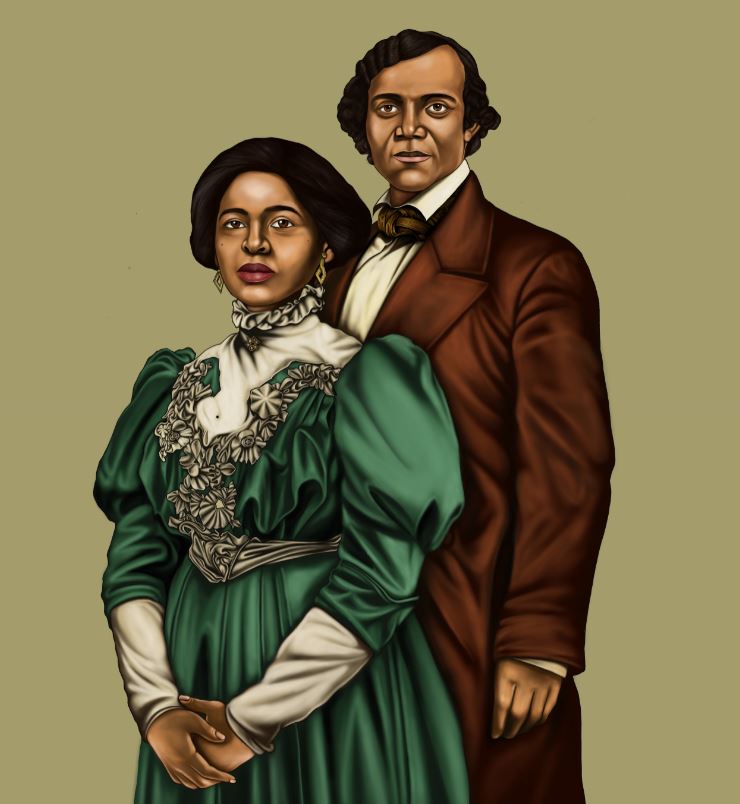
Mary and Henry Bibb
In 1851, Mary and Henry Bibb founded a newspaper. Voice of the Fugitive told the stories of the Underground Railroad, and reported on developments both in the American South and in the Bibbs’ new home country of Canada.
In 1851, Mary and Henry Bibb founded a newspaper. Voice of the Fugitive told the stories of the Underground Railroad, and reported on developments both in the American South and in the Bibbs’ new home country of Canada.
Refugees from enslavement in the U.S., the Bibbs settled in Windsor, Ontario where they soon realized there were few opportunities for Black Canadians. Their newspaper brought a sense of solidarity and community to their compatriots, keeping them informed and engaged in the struggle to end slavery.
The Bibbs went on to establish their own school, where Mary taught children who faced unrelenting discrimination in the public school system of the time. Henry became the founding director of the Refugee Home Society, a group that worked to meet the needs of formerly enslaved people who had made their way to Canada.
We know that today, immigrants and refugees from conflict zones often face compounded trauma. It’s possible they’re unable to return home for significant life events, and their ability to support the family members who remain behind is severely limited. Discrimination, trauma fatigue, and political divisions can put pressure on those affected to remain silent, which can deepen feelings of isolation and distress. Psychologists say that feeling overwhelmed and helpless is very common in these cases, but that social connection and small meaningful actions can go a long way toward regaining a sense of control.
In this regard, Henry and Mary Bibb were two of Canada’s important pioneers and were honoured as such by Canada who designated them National Historic Persons in 2002.