
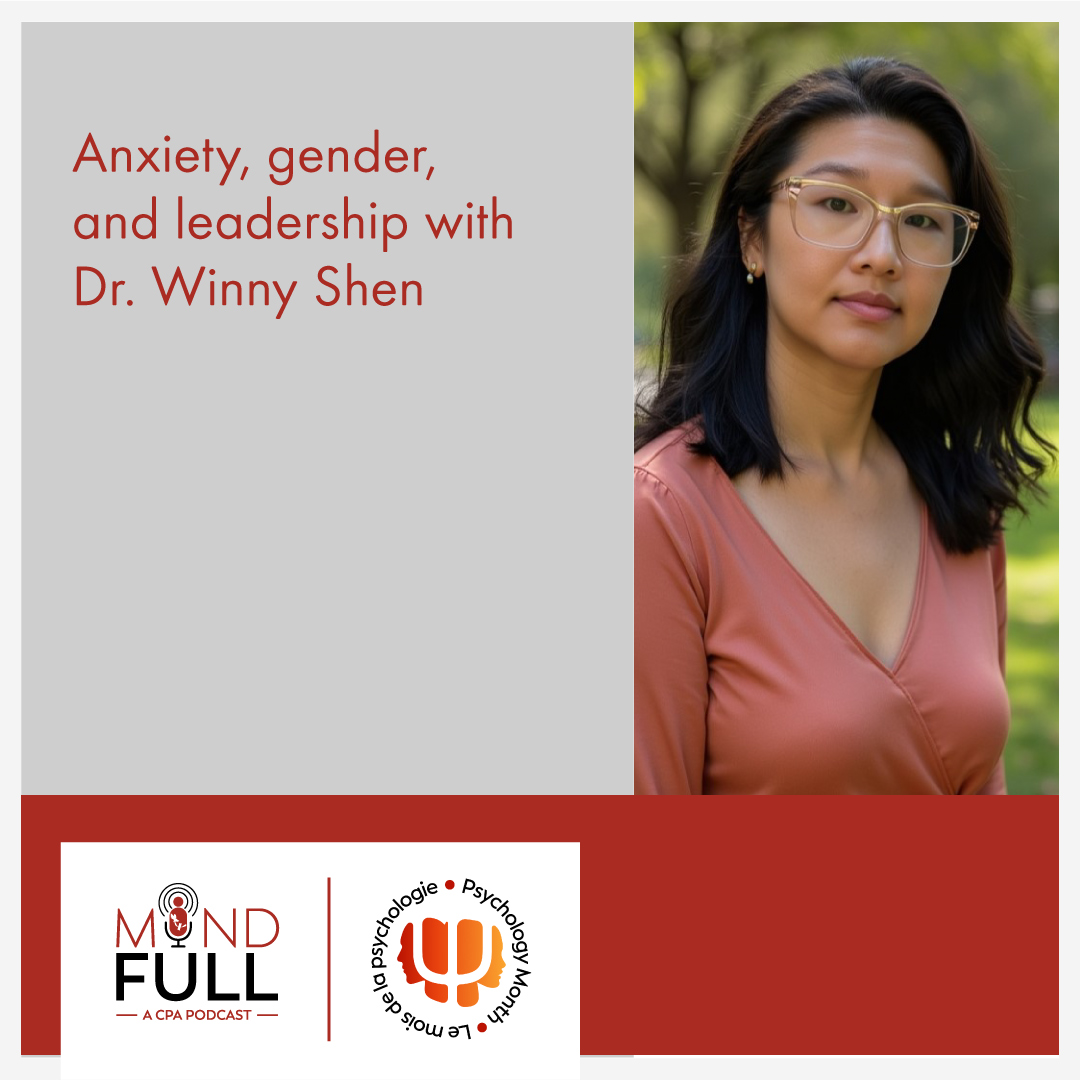
There has always been a stereotype that women are “more emotional” than men, and even that they are “too emotional” for leadership roles. Dr. Winny Shen joins Mind Full to discuss the results of her study which suggest that not only is that stereotype untrue, the exact opposite might actually be the case.
Year: 2025
Psychology Month Profile: Jessica Strong

Jessica Strong
We all plan to get older. So why do so few of us gravitate toward working with older adults? Dr. Jessica Strong is a Geropsychologist in the department of psychology at the University of PEI. She tells us about cognitive reserve, fights against ageism, and discusses how a passion for music led her toward her current career path.
Psychology Month 2025: Bullying in school and society with Dr. Wendy Craig and Dr. Deinera Exner-Cortens

Psychology Month Profile: Laura Thomas

Laura Thomas-photo by Erik McRitchie

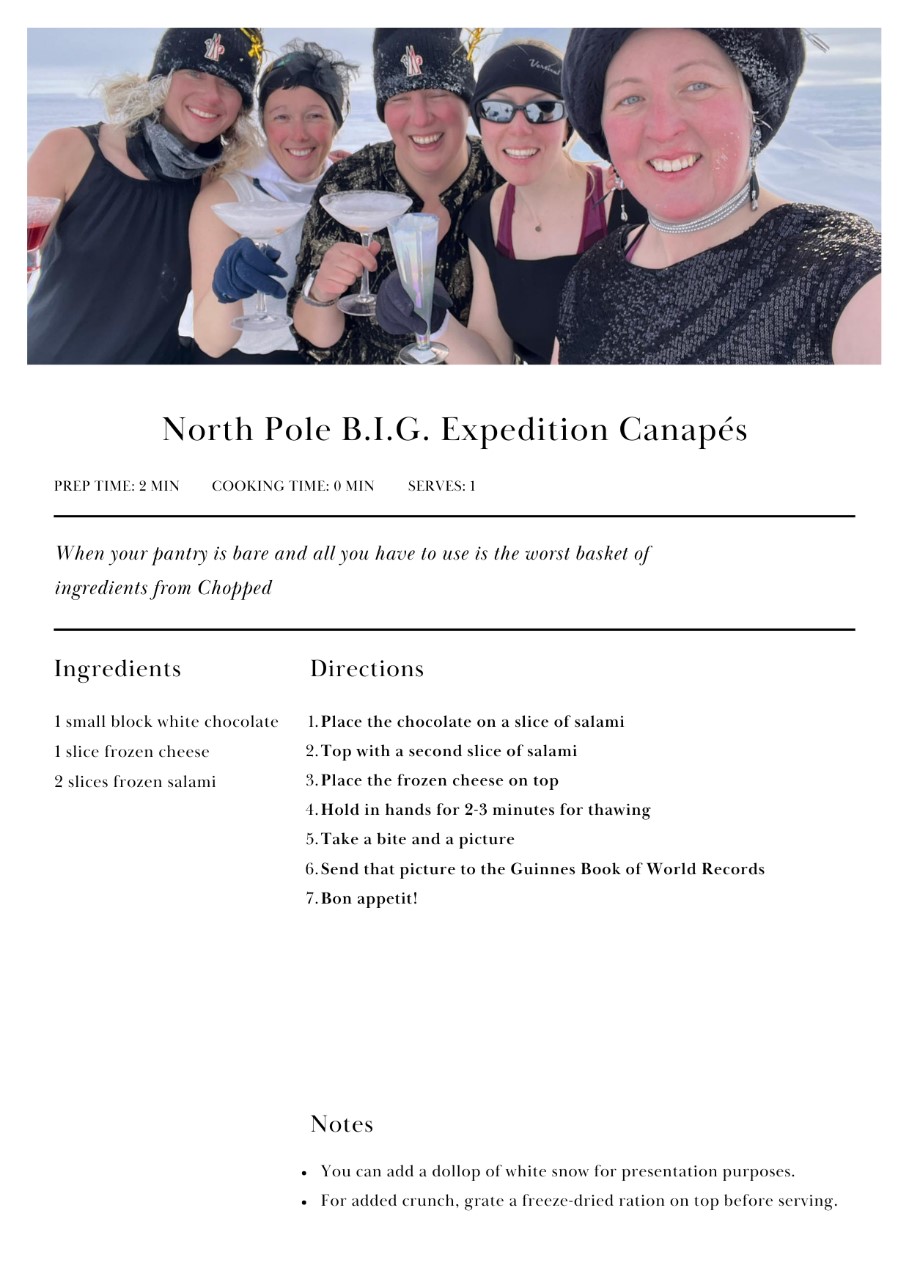
B.I.G. at the North Pole photo by Edel Kieran
Training astronauts for space flight requires a huge team, including psychologists who can help to prepare them for the close quarters and isolation for long periods of time. Laura Thomas is not only one of those psychologists, she has also experienced similar close quarters and isolation with all-female expeditions to places like the North Pole.
We kick off 2025’s Psychology Month: Women in Science with a look at Laura’s work, her travels, and the requirements for setting a Guinness World Record!
A PhD, a radio show, and now a children’s book with Sommer Knight

While completing her psychology PhD, Sommer Knight is busy putting everything she learns to use. She co-hosts a radio show and has now written a children’s book to advance the conversation about mental health in Black families and Black communities.
The book is called Today Is a Rainy Day, and if you’re in the Ottawa area Saturday March 1st, join Sommer and her co-authors and illustrator from 1-5pm at Indigo Rideau, 50 Rideau St, for a book signing event!
Why the CPA/CPAP BMS Insurance Liability Program Is Right For You
 The CPA/CPAP Professional Liability & Commercial General Liability Insurance Program, brokered by BMS Canada Risk Services Ltd. (BMS), is the largest program of its kind for psychology practitioners in Canada with over 12,000 participants. From its market leading coverage to its broker support to its association advocacy, the program has protected CPA/CPAP members with specialized Liability Insurance for over 30 years. Learn more here.
To purchase coverage, please visit www.psychology.bmsgroup.com, or contact a BMS broker at 1-855-318-6038 or by email at psy.insurance@bmsgroup.com.
- Why the CPA/CPAP Program Is Right For You (PDF)
- Comparing Professional Liability Insurance Policies (PDF)
- Frequently Asked Questions about the CPA/CPAP Program (PDF)
- What to do in the Event of a Claim (PDF)
- Professional Liability & Commercial General Liability Coverage Video
For more information about your Insurance Broker, BMS, and Insurance Regulatory Principles of Conduct, please click here.
“Psychology Works” Fact Sheet: Irritable Bowel Syndrome
What is Irritable Bowel Syndrome?
Symptoms of Irritable Bowel Syndrome (IBS) include pain or discomfort in the lower abdomen (below the belly button area) and changes in bowel habit that involve frequent, urgent diarrhea or constipation. Bloating is another common symptom. IBS is a medical disorder primarily affecting the lower ‘gut’ (the small and large intestine) which is one part of the gastrointestinal (GI) tract.
IBS is a disorder of gut-brain interaction, meaning there are communication disruptions between the brain and the gut. IBS is understood to be a problem of the functioning of the gut. Research suggests that people with IBS experience abnormal gut motility (changes in the rate of contractions of the gut muscles), enhanced visceral sensitivity (an increased sensitivity to gas or sensations from routine activities that occur in the bowel), and changes in the gut microbiome (communities of microbes in the digestive tract, made up of bacteria, fungi, and viruses that, when balanced, help with digestion, nutrient absorption, and immune function).
It is not clearly understood what causes IBS. For some people it begins in childhood with a ‘sensitive stomach’ that develops into more intense symptoms as an adult; for others, the GI problems start suddenly during a period of stress or persist after an infection in the bowel. IBS is diagnosed based on the presence of the symptoms described above in combination with the absence of other ‘red flag’ symptoms (such as weight loss or bleeding).
IBS is very common. It is estimated to affect up to one in five Canadians. It often starts in young adulthood and occurs much more frequently in women than men. It is the second most common reason for missing work and is one of the most common reasons that people visit their doctor. In Canada, IBS has been estimated to cost over $350 million in direct and over $1 billion in indirect health care and productivity costs each year.
While the impact on society is quite significant, IBS can be very challenging for the individual. Pain, cramping, or urgent trips to the washroom may interfere with work and home activities. The bloating, gas, and urgency can be embarrassing, so people often suffer in silence.
Many people think certain foods must be the culprit but there is no evidence to support the idea that IBS is directly related to food allergies or food sensitivity. Once IBS develops, however, the bowel is over-reactive to or easily disrupted by a variety of potential triggers including diet, stress, emotional state, and even hormone fluctuations.
Stress does not cause IBS, but it does appear to play a particularly important role in triggering IBS symptoms, likely because of the close communication via nerves and chemical pathways between the brain and the gut. In fact, two-thirds of healthy individuals without IBS report GI symptoms of pain or bowel upset in response to stress and the numbers are even higher for people with IBS.
Research suggests that both ‘acute stressors’ such as deadlines, exams, job interviews, or conflict with others as well as ‘chronic stressors’ such as financial concerns, time pressures, or family issues can aggravate the gut.
How Can Psychology Help?
For those with milder IBS symptoms, use of over-the-counter medications and changes in lifestyle that ensure more regular eating and sleep routines, a healthier diet with increased fibre and water intake, as well as more regular moderate intensity exercise such as walking, swimming, or cycling, are usually sufficient to provide some relief.
However, for those with moderate to severe IBS symptoms, medical and psychological treatments are recommended. These treatments usually target specific symptoms, like pain, diarrhea, or constipation, or aim to decrease the triggers, such as stress, that aggravate the symptoms. Further, there is evidence that for some, implementing a special diet such as the low FODMAP diet for a focused period of time can improve aspects like abdominal pain and bloating, and provide direction for potential aggravating foods.
Conventional medical treatment has included fibre supplements, antispasmodics, gut motility agents, and medications that act on biochemicals such as serotonin in the GI tract and central nervous system. Medication decisions are usually guided by the predominant IBS symptoms. At this point, reviews of the effectiveness of the medication treatments have concluded that they are helpful for small subsets of people with IBS but have been disappointing overall in their impact. Newer medications in development are focusing on brain-gut pathways and the microbiome. For the most up-to-date information on medication treatments as they apply to your situation, you are encouraged to discuss the use of these medications with your family doctor.
Psychological treatments, which also target brain-gut connections, have been found to be effective in providing relief of IBS symptoms and reducing the distress and coping difficulties that often occur when dealing with a chronic illness. These psychological therapies focus on ways to decrease stress and cope differently so that the stress does not ‘go to the gut’.
What Psychological Treatments are Effective?
Psychological approaches have been carefully evaluated over the past number of years; Cognitive Behavioral Therapy (CBT) and related therapies, as well as gut-directed hypnotherapy have specifically demonstrated well-established and lasting benefits. These brain gut behaviour therapies are provided by professionals trained in psychological interventions for health problems and can be delivered effectively in person or online. Medication, in contrast, tends to cease to have an effect when patients stop taking the medicine. Some research suggests that the amount of improvement in psychological treatment relates in part to the effort and time the individual contributes to working with the strategies.
Cognitive Behavioural Therapy (CBT) incorporates a number of steps aimed at changing behaviour to improve health and coping. It often involves providing information to ensure a better understanding of the illness (to help with fears and worries), teaching strategies to change thinking patterns that can contribute to strong emotional and physical reactions, teaching skills to deal with challenging or stressful situations that can trigger the gut, and goal setting to establish optimal health habits. CBT typically includes relaxation training.
Mindfulness and Acceptance-based therapies (ACT) are variations of CBT and emphasize learning ways to relate differently to symptoms, find meaning, and engage in valued activities despite the illness, broadening day to day functioning and overall wellness. These therapies may be offered on their own, or strategies from these therapies may be incorporated into CBT for IBS. Emerging evidence shows good effectiveness for those with severe and refractory IBS symptoms.
Gut-Directed Hypnotherapy uses mental imagery and deep relaxation to alter gut-brain communication, reduce unpleasant gut sensations, and reduce stress-related gut activity.
These psychological therapies are recommended by North American and European gastroenterology treatment guidelines for IBS. Cognitive behavioural therapy is the most commonly available type of psychological treatment for IBS in Canada and the United States, although medical hypnotherapy has become more accessible through scientifically evaluated online programs as well as digital apps.
Where Can I Go for More Information?
For more information about irritable bowel syndrome and steps you can take based on these psychological therapies:
- Scarlata, K., & Riehl, M. (2024). Mind your gut: The science based, whole-body guide to living well with IBS. Hachette Book Group.
- Hunt, M. G. (2022). Reclaim your life from IBS: A scientifically proven CBT plan for relief without restrictive diets (2nd ed.). Routledge.
For general information about IBS and similar gastrointestinal disorders please visit the International Foundation for Functional Gastrointestinal Disorders at http://www.iffgd.org or the Canadian Society of Gastrointestinal Research at https://badgut.org/.
You can consult with a registered psychologist to find out if psychological interventions might be of help to you. Provincial, territorial, and some municipal associations of psychology may make available a referral list of practicing psychologists that can be searched for appropriate services. For the names and coordinates of provincial and territorial associations of psychology, go to https://cpa.ca/public/whatisapsychologist/PTassociations/.
This fact sheet has been prepared for the Canadian Psychological Association by Dr. Lesley Graff, Professor and Head, and Dr. Maia Kredentser, Assistant Professor, Department of Clinical Health Psychology, Max Rady College of Medicine, University of Manitoba. Drs. Graff and Kredentser are registered clinical psychologists who work at Health Sciences Centre, Winnipeg, Manitoba and whose research focuses on gastrointestinal disorders and behavioural medicine.
Revised: October 2025
Your opinion matters! Please contact us with any questions or comments about any of the PSYCHOLOGY WORKS Fact Sheets: factsheets@cpa.ca
“Psychology Works” Fact Sheet: Autism Spectrum Disorder
What is Autism Spectrum Disorder?
Autism spectrum disorder (autism) is a neurological (brain-based) condition that influences the development of social and communication abilities, as well as other aspects of behaviour, in characteristic ways. The term “autism spectrum disorder” (ASD) reflects the current view that how autism affects learning and behaviour ranges from relatively mild to more significant in these areas of development. For example, the pattern of social and behavioural differences that defines autism co-exists with all levels of intellectual ability, although a substantial minority of autistic people have an intellectual disability.
Autistic people face challenges in understanding and relating to other people in typical reciprocal ways. For example, someone with autism may lack a natural grasp of interpersonal skills such as the ability to take another person’s point of view even when interested in social interactions and relationships. Non-autistic people may also find it hard to relate to the perspectives of autistic people. For some autistic people, language difficulties may make it harder to express their ideas. Even when language skills are strong, other differences in communication may affect social situations. An autistic person might have difficulty beginning a conversation or keeping one going in a fluent, two-sided manner. Autism may also be associated with reduced flexibility in thinking and behaviour. Their interests and activities may be intense or focused, which can be either a strength or a liability. For some autistic individuals, differences in sensory responsivity may include over- and/or under-reaction to lights, sounds, touch, tastes, odours, or pain.
Research shows that autism is a complex condition in which genetic, environmental, and societal factors interact; the specific causes are not yet known. The likelihood of developing autism is increased for children born to families who already have a diagnosed family member, and more boys/men than girls/women are affected by autism (although autism is also less often diagnosed accurately in girls and women). In its more severe form, autism is usually recognized by about age 2 years – often because the child is not yet speaking and shows limited interest in people. However, more subtle signs of autism may not be recognized until much later, often during the school years as differences from peers are noticed.
How is Autism Diagnosed?
Autism is diagnosed by an experienced clinician (usually a clinical child psychologist or a specialist physician) based on observed and reported patterns of behaviour. There is no medical test for autism. The diagnosis is made using in-depth information from parents and others about specific aspects of the individual’s development and behaviour, and the clinician’s systematic direct observations of behaviour. These observations cover both what the person does that may be characteristic of autism and doesn’t do that would be expected of a typically developing individual at that age or level of development. A comprehensive evaluation also considers the possibility of other conditions, such as intellectual disability, attention deficit hyperactivity disorder, or social anxiety disorder, that often lead to a suspicion of autism or co-occur with autism.
With earlier recognition in young children and a better understanding of both milder and more severe forms in people of all ages, the diagnosis of autism is becoming far more common. A recent Canadian estimate suggests that at least 1 in every 50 children is affected (Public Health Agency of Canada, 2022). The impact of autism varies, but autistic individuals and their families require health, education, and community services and supports. Many communities are trying to keep pace with the increasing need for autism-related services.
What Do We Do About ASD? Can Psychology Help?
Outcomes for many autistic people are far more positive than in past decades. Factors such as an individual’s levels of ability, presence of other health or mental health conditions, and importantly challenges accessing appropriate supports all contribute to highly variable long-term outcomes for autistic people. Some autistic individuals attain social, academic, and vocational success, as well as independent living, especially as communities become more accepting of neurodivergence.
Advances in psychological research have improved our understanding of the fundamental developmental differences as well as the strengths and challenges of autistic people. Psychologists have contributed to improved methods of recognizing, assessing, and intervening to support those with autism. Psychological assessment of children’s ability profiles – areas of relative strength and weakness – as well as evaluation of both autism characteristics and symptoms of co-occurring conditions can guide the development of appropriate education and therapies for autistic children. Treatments based on psychological principles are at the leading edge of autism intervention.
Early intervention can improve the quality of many young autistic children’s lives when strategies are used that capitalize on natural teaching opportunities in the home and community. Strategies based on the principles of learning can be used within the child’s daily routines with parents as partners in supporting their children’s development. Key areas for intervention usually include language/communication and social skills, daily living skills, self-regulation or coping skills, and family support. Peer-mediated interventions, in which autistic children and their nonautistic peers learn to play and communicate effectively, can promote more positive social opportunities. For older, able autistic individuals, cognitive-behavioural therapy (CBT) strategies can help manage common difficulties with anxiety or self-regulation.
Better access to evidence-based treatment for the mental health needs of autistic adults is needed in most communities. Psychologists and other mental health professionals are increasingly able to customize mental health care for autistic and other neurodivergent people. Community-based supports such as job coaching, recreational opportunities, and supported housing services are beneficial for many autistic people.
Where Can I Go for More Information?
- Autism Alliance of Canada: https://autismalliance.ca/
- National Autistic Society (UK): http://www.autism.org.uk
- Provincial associations of psychology: https://cpa.ca/public/whatisapsychologist/PTassociations
- Psychology Foundation of Canada: http://www.psychologyfoundation.org
- American Psychological Association (APA): http://www.apa.org/helpcenter
You can consult with a registered psychologist to find out if psychological interventions might be of help to you. Provincial, territorial, and some municipal associations of psychology may make available a referral list of practicing psychologists that can be searched for appropriate services. For the names and coordinates of provincial and territorial associations of psychology, go to https://cpa.ca/public/whatisapsychologist/PTassociations/.
This fact sheet has been prepared for the Canadian Psychological Association by Isabel M. Smith, PhD. Dr. Smith is a registered Clinical Psychologist, Professor and former Joan and Jack Craig Chair in Autism Research, Departments of Pediatrics and Psychology & Neuroscience, Dalhousie University. Dr. Smith’s work at the Autism Research Centre at the IWK Health Centre in Halifax NS is focused on children and adolescents with ASD and their families.
Revised: October 2025
Your opinion matters! Please contact us with any questions or comments about any of the PSYCHOLOGY WORKS Fact Sheets: factsheets@cpa.ca
“Psychology Works” Fact Sheet: Bipolar Disorder
What Is Bipolar Disorder?
We all experience changes in moods from time to time depending on events we go through in life. But when these mood swings become more dramatic and severe and impair a person’s ability to function as usual at work, school, or in relationships, it may indicate the presence of a serious mood disorder. Bipolar disorder, previously known as Manic-Depressive Illness, is a mental disorder that is characterized by severe mood swings cycling between periods of intense “highs” (mania or hypomania) and periods of intense “downs” (depression).
In mania, the individual experiences elevated perhaps extremely good mood, elation, or highly irritable mood that lasts for at least one week. This considerable increase in mood is accompanied by high levels of energy, combined with a noticeable decreased need for sleep. The individual usually has a boost in self-esteem, tends to talk more and faster, experiences racing thoughts, and is easily distracted. Mania is also characterized by an increase in goal-oriented activities and often leads to excessive involvement in pleasurable activities that have a high potential for painful consequences (e.g., excessive and irrational spending, sexual indiscretions, reckless driving). In more severe forms, mania can be accompanied by psychotic symptoms such as hallucinations or delusions and almost always requires hospitalisation. Hypomania, a milder form of mania, causes less impairment but can often go unnoticed for several years before receiving appropriate diagnosis and treatment.
In the depressive phase of bipolar disorder, symptoms of clinical depression (or Major Depressive Episode) need to be present for at least two weeks and are like symptoms of unipolar depression (see the Canadian Psychological Association’s fact sheet on Depression). These symptoms include depressed mood or sadness, loss of interest in most activities, decreased activities or social withdrawal, changes in appetite, increased or disturbed sleep, fatigue or low energy, decreased sexual desire, difficulties in concentration or making decisions, feelings of worthlessness and suicidal thoughts or plans. In more severe forms, clinical depression can be life threatening and require hospitalisation as suicide is a significant threat in bipolar disorder.
In Canada, around 2% of individuals will experience bipolar disorder at some point in their lifetime. Bipolar disorder usually starts in late adolescence or early adulthood, but it can also begin as early as childhood. It affects both men and women equally. Bipolar disorder is a highly recurrent disorder, meaning that most individuals with bipolar disorder will experience several episodes during their lifetime. Significant mood symptoms between episodes, problems with being able to get back to work, as well as relationship difficulties and break-ups are common in bipolar disorder.
Although we don’t know exactly what causes bipolar disorder, we do know that genes and chemicals in the brain play a strong role in making people vulnerable to developing the disorder. Stress alone does not cause bipolar disorder, but episodes of mania or depression are often triggered by stressful life events. Risk factors for relapse in bipolar disorder include abusing alcohol or drugs, not taking psychiatric medication as prescribed, and changes in routine leading to a lack of sleep or irregular sleeping habits.
What Psychological Approaches Are Used to Manage Bipolar Disorder?
Pharmacotherapy, or drug therapy, is essential for the treatment of bipolar disorder. It usually involves the use of one or more mood stabilizers, such as Lithium, combined with other medications. Though, there is now strong evidence that psychological interventions can be added to drug therapy to help people better manage their illness and reduce repeated experiences of mood episodes.
Psychoeducation consists of giving patients and their relatives adequate knowledge about bipolar disorder and teaching illness self-management skills so that people have a better understanding of their illness and its treatment. Psychoeducation is usually given in short-term (i.e., 5 to 10 sessions) group format.
Cognitive-Behavioural Therapy (CBT) and Interpersonal Therapy (IPT) are both short-term forms of psychotherapy that have been shown effective in the treatment of mood disorders, including depression and bipolar disorder. In bipolar disorder, CBT uses psychoeducation and mood monitoring to help people identify triggers of mood episodes and develop a written relapse prevention plan. Increasing activities in depression, reducing activities in mania, and correcting over-negative or over-positive thoughts are also strategies used in CBT. An adapted version of IPT, Interpersonal and Social Rhythm Therapy (IPSRT), has also been shown effective for bipolar disorder. The main goals of IPSRT are to help people deal better with relational difficulties and learn how to maintain a stable and healthy daily routine to regulate important biological rhythms, such as sleep, that can trigger mood episodes like mania.
Family Therapy interventions, which have been found to be helpful in schizophrenia, have also been successfully adapted to bipolar disorder. In Family Focused Therapy (FFT) patients and their families learn how to understand bipolar disorder better by getting information on the disorder and its treatment (psychoeducation) and learning communication and problem-solving skills to deal more effectively with the consequences of bipolar disorder.
Finally, social support is also very important for people with bipolar disorder and therefore joining local support groups for mood disorders may be helpful.
Where Can I Go for More Information?
More information regarding bipolar disorder can be found on the following websites:
- Mood Disorders Society of Canada (MDSC): http://www.mooddisorderscanada.ca
- Depression and Bipolar Support Alliance (DBSA): http://www.dbsalliance.org
- The Collaborative RESearch Team to study psychosocial issues in Bipolar Disorder (CREST.DB): http://www.crestbd.ca/
- Canadian Mental Health Association (CMHA): http://www.cmha.ca
- Relief: http://relief.ca/
You can consult with a registered psychologist to find out if psychological interventions might be of help to you. Provincial, territorial, and some municipal associations of psychology may make available a referral list of practicing psychologists that can be searched for appropriate services. For the names and coordinates of provincial and territorial associations of psychology, go to https://cpa.ca/public/whatisapsychologist/PTassociations/.
This fact sheet has been prepared for the Canadian Psychological Association by Dr. Martin D. Provencher. Dr. Provencher is a Registered Clinical Psychologist in the Province of Québec, a Full Professor at L’École de psychologie de l’Université Laval, and a researcher at the Centre d’études et d’interventions en santé mentale (https://www.ceism.ca/) in Québec City. His primary interests include Cognitive-Behavioural Therapy, mood and anxiety disorders, psychological interventions for Bipolar Disorder, behavioural activation for depression, and transdiagnostic treatments for anxiety disorders.
Revised: October 2025
Your opinion matters! Please contact us with any questions or comments about any of the PSYCHOLOGY WORKS Fact Sheets: factsheets@cpa.ca
“Psychology Works” Fact Sheet: Parenting Challenges
What Role Do Parents Play in Children’s Development?
Psychological research and practice show us that parents are the most important influence on their children’s development. The parent role brings intense rewards and challenges. Parenting takes practice, flexibility, and openness to keep learning. Just as our children grow and learn, so must our parenting. Whether parenting with a partner, in one or two homes, or as a single parent, parents need support from family, friends, and their community. It really does take a village!
How Can Parents Help Children Grow and Thrive?
Children need both love and structure to grow and thrive. Although this formula sounds simple, putting this into practice can be tough. A loving relationship provides the foundation for children to regulate their emotion and develop both confidence and self-esteem. Parents show love in different ways according to their personal style and cultural background. It always involves being available to spend time with children and show interest in what they’re doing. Physical affection includes smiles, touch, hugs, and cuddles.
Regular frequent moments focusing on the child (without distraction from phones, TV, or the computer) is the foundation of a good relationship. It helps them build confidence and learn that they can turn to their parents when they face difficulty. As children reach adolescence, time with parents may look different from when they were younger. Without a warm and loving relationship with their parents throughout their development, children and youth are at risk for low self-esteem and low confidence. They may seek more negative ways to get attention and to feel good about themselves such as acting-out, risky behaviour to impress their peers, or self-medicating using drugs and alcohol.
A loving relationship is necessary, but is not enough to ensure healthy development. Children also need structure, consistency, and appropriate monitoring. From an early age, children benefit from routines that help them know what to expect each day. Parents show children the limits of acceptable behaviour by having some simple rules and expectations. Parents help children to learn that their actions have consequences. By noticing and commenting on behaviour they want to encourage, parents strengthen good habits.
Physical punishment, yelling, and humiliation hurt children. Fortunately, there are far more effective methods to address a child’s challenging behaviour. These include paying attention to the behaviours you wish to encourage and calmly addressing mild misbehaviour. Parents can guide their children to set limits and make good choices by using appropriate rewards and consequences. Without structure, children may have difficulty learning self-control and the ability to follow rules independently.
We cannot underestimate how much children learn from watching adult behaviour. In everyday life, there are lots of opportunities to show problem-solving, impulse control, the healthy expression of feelings (both positive and negative), patience, and tolerance. We must also be mindful to avoid inappropriate coping mechanisms, excessive use of digital devices, substance abuse, violent or bullying behaviour, or unproductive methods of handling conflicts. Life is full of teachable moments.
How Does Parenting Change as Children Age?
Children of all ages need love and structure. As children get older, there are subtle changes in how we show love and provide guidance. A baby thrives on rocking, broad smiles, and singing. Teens may appreciate a response to a text or good listening while driving to an activity. In helping a toddler to learn that it is not acceptable to pull the cat’s tail, the parent may provide guidance on how to stroke the cat gently. Parents help teenagers develop responsibility and make healthy decisions by negotiating curfews and appropriate behaviour. Parents promote growing independence in their children and help them to make good decisions and learn from their mistakes.
What Can Parents Do When They Need Support?
Parenting presents additional challenges when financial difficulties, work-related stress, separation or divorce, or mental or physical illness affect a family member. Parents adapt to the child’s temperament, developmental level, learning style, and cognitive abilities.
All parents need support from time to time. There is no one-size fits all approach to getting help. Some ways parents might find support include:
- Consulting reliable, evidence-based websites or online programs
- Attending presentations or discussion sessions with a trained practitioner on a topic they are struggling with
- Consulting a trained professional to address specific situations or difficulties that their child might be experiencing
- Completing a comprehensive parenting course
Parents of children with mood, anxiety, behavioural, or learning disorders are likely to benefit from evidence-based psychological services.
Social media has changed the landscape for parents. It is easy to access vivid videos and testimonials proposing parenting strategies. It can be overwhelming to sift through conflicting messages and know which ones have a solid foundation. Parent confidence may be undermined by contradictory claims of the usefulness of different approaches.
How Can Psychology Help?
Research has helped psychologists to learn about parenting that works and to develop a range of services for families. Evidence-based parent support provides information about the myriad issues that emerge in child and adolescent development. Parents learn to use positive approaches to parenting that help the child to learn and develop. Parent support can be offered face-to-face, via workbooks, and on-line to groups, couples, and individuals, to help parents learn and practice strategies that research has shown to be effective in promoting positive relationships and in reducing misbehaviour.
In evidence-based parent support programs, parents learn how to notice and pay attention to behaviour they want to encourage; how to set clear routines and expectations; how to help children recognize, label, and express their emotions; and how to respond to challenging behaviour. Parent support is most effective when parents have opportunities to observe and practice the techniques they are learning.
Parents who have their own personal struggles, such as feeling depressed, anxious, or in an unhappy relationship, may require help with their personal struggles as well as getting parenting support. Cognitive-behavioural therapy is effective in helping parents deal with their own mental health issues such as depression, anxiety, chronic pain, or marital distress.
Where Can I Go for More Information?
For more information, visit:
- The Incredible Years – Parents & Teachers. A series of interlocking evidence-based programs for parents, children, and teachers, supported by over 30 years of research: incredibleyears.com
- Triple P Parenting. Positive Parenting Program works for babies, toddlers, and teens. Get parenting tips and classes in Canada; face-to-face or online: triplep-parenting.ca
You can consult with a registered psychologist to find out if psychological interventions might be of help to you. Provincial, territorial, and some municipal associations of psychology may make available a referral list of practicing psychologists that can be searched for appropriate services. For the names and coordinates of provincial and territorial associations of psychology, go to https://cpa.ca/public/whatisapsychologist/PTassociations/.
This fact sheet has been prepared for the Canadian Psychological Association by Dr. Catherine M. Lee, Professor Emerita, School of Psychology, University of Ottawa and consultant, Triple P Canada.
Revised: August 2025
Your opinion matters! Please contact us with any questions or comments about any of the PSYCHOLOGY WORKS Fact Sheets: factsheets@cpa.ca